This is a collaborative post.
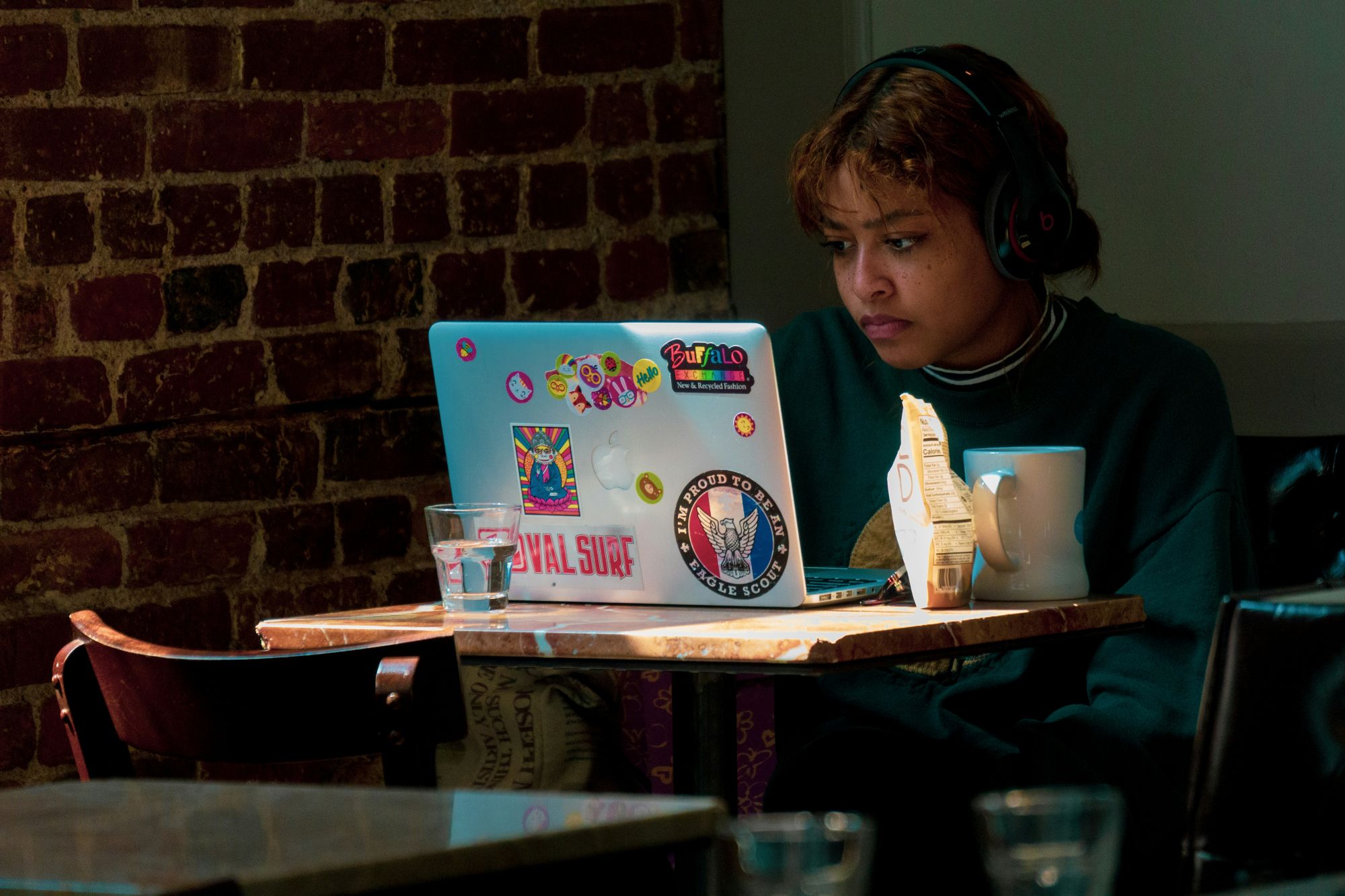
Teenagers today spend more time looking at screens than any generation before them. Phones, tablets, laptops, gaming consoles, and televisions are now part of daily life from morning until bedtime. Some of that screen time comes from school and homework, but a large part of it also comes from social media, streaming, gaming, and constant messaging.
That has naturally led many parents to wonder what all this screen exposure is doing to their children’s eyes. Stories about screens “ruining eyesight” are everywhere online, but the reality is usually more nuanced than that.
Screens are not automatically damaging a teenager’s vision overnight. However, long hours of close-up screen use can contribute to eye strain, discomfort, and unhealthy visual habits that may affect eye health over time.
How Much Screen Time Are Teens Really Getting?
The Digital Reality of Modern Adolescence
Most teenagers now use screens throughout the day without even thinking about it. A typical day may involve online schoolwork, messaging friends, scrolling social media, watching videos, and gaming in the evening.
The modern teenage routine is heavily built around digital devices. For many families, screens are now tied to education, communication, entertainment, and even hobbies.
Why Screen Exposure Has Increased in Recent Years
Several factors have pushed screen use higher.
Online learning has increased significantly in recent years and changed how students interact with schoolwork. Social media platforms also continue to demand constant attention, while streaming services and online gaming make it easier than ever to spend hours indoors looking at screens.
According to guidance from the NHS on screen time and children, balance and healthy routines matter more than trying to eliminate screens completely, which is unrealistic for most families today.
How Screens Affect Teen Eyes
Digital Eye Strain
One of the most common problems linked to heavy screen use is digital eye strain.
This happens when the eyes work too hard for too long without enough breaks. Teenagers often focus intensely on screens while blinking less, especially during gaming, studying, or scrolling sessions that last several hours.
Digital eye strain is usually temporary, but repeated discomfort can affect concentration, mood, and daily comfort.
Common Symptoms to Watch For
Parents should pay attention to symptoms such as:
- tired or sore eyes
- blurred vision
- dry eyes
- headaches
- difficulty focusing after screen use
Some teenagers may not mention these symptoms directly because they assume they are normal.
Warning Signs Your Teen May Need an Eye Exam
Changes in Behaviour
Sometimes the first clues are behavioural rather than medical.
A teenager may start squinting at screens or distant objects, sitting unusually close to devices, or complaining about headaches after school or gaming sessions. Frequent eye rubbing can also be a sign that their eyes are feeling strained or uncomfortable.
Academic and Daily-Life Indicators
Vision problems can also show up in less obvious ways.
A teen struggling to focus visually may find it harder to concentrate during homework or lessons. Reading can become tiring, and screen-heavy tasks may feel frustrating rather than manageable.
Declining school performance does not automatically mean an eyesight issue, but visual discomfort can definitely make learning harder.
The College of Optometrists also notes growing concern around increasing rates of myopia in children and teenagers, especially with prolonged near-work activities and reduced outdoor time.
How Should You Protect Your Teen’s Eyes?
Are Blue Light Glasses Worth Buying?
Blue light glasses are heavily marketed to parents and students, but they are not a magic fix.
Some teenagers may find them more comfortable during long screen sessions, especially in the evening, but good screen habits usually matter far more than relying entirely on special glasses.
Regular breaks, proper lighting, and limiting excessive late-night screen use are often more effective than buying expensive accessories alone.
Are Contact Lenses a Good Option for Screen-Using Teens?
For some teenagers, contact lenses can be a practical option, especially for sports, outdoor activities, or active school routines.
However, screen-heavy days can sometimes make lenses feel drier or less comfortable because people naturally blink less while using devices. This is why some parents and teens prefer daily contact lenses, since they provide a fresh pair each day without the extra maintenance of reusable lenses.
Daily disposables can also be convenient for busy teenagers who may not always be consistent with lens cleaning routines.

Healthy Screen Habits That Support Better Vision
Encourage Proper Screen Positioning
Screen position makes a bigger difference than many people realize.
Devices should not be held extremely close to the eyes for long periods, and screens should generally sit slightly below eye level rather than forcing the neck and eyes into awkward positions.
Even small adjustments can reduce strain significantly.
Improve Lighting Conditions
Glare and poor lighting force the eyes to work harder.
Natural lighting is often best during daytime study sessions, while harsh reflections from windows or overly bright screens should be reduced when possible.
A dark room with a bright screen is especially tiring for the eyes during long evening use.
Prioritise Regular Breaks
Teenagers often lose track of time when using devices.
Encouraging short breaks helps the eyes relax and reduces continuous close-up focus. Outdoor activity also matters because spending time outside gives the eyes a break from constant near-distance work.
Create a Family Plan for Healthy Screen Use
Setting Realistic Screen Boundaries
Strict bans rarely work long-term, especially with teenagers. Instead, families usually have more success with realistic boundaries around bedtime use, meal times, homework routines, and daily breaks.
Encouraging Device-Free Periods
Simple habits like device-free dinners, evening walks, or screen-free mornings can help reduce overall exposure without making screens feel forbidden.
Leading by Example as a Parent
Teenagers notice adult habits too. Parents constantly looking at phones during conversations or evenings may unintentionally reinforce the same behaviour they are trying to limit.
Healthy screen habits work better when they feel shared rather than imposed.
Balancing Technology With Overall Wellbeing
Screens are now part of normal life, so the goal is not complete avoidance. The real focus should be balance: enough movement, outdoor time, sleep, social interaction, and visual breaks alongside digital use.
Is Your Teen’s Screen Habit Affecting Their Eyesight? Final Points
Screens are not disappearing from teenage life anytime soon. School, entertainment, friendships, and hobbies are now deeply connected to technology, and that reality is unlikely to change.
What matters most is helping teenagers use screens more responsibly and paying attention to the signs that their eyes may need support. Eye strain, headaches, blurred vision, and visual fatigue should not simply be ignored as “part of growing up.”
Regular eye exams, healthier screen habits, outdoor activity, and small daily adjustments can go a long way toward keeping teen eyes more comfortable and better protected over time.
FAQs About teen’s screen habit affecting eyesight
Watch for behavioural signs like squinting, sitting unusually close to screens, frequent eye rubbing, or complaints of headaches after school or gaming. Visual symptoms, including tired or sore eyes, blurred vision, dry eyes, and difficulty focusing after screen use, are also worth taking seriously. If your teen seems to be struggling with concentration during homework or their school performance has dipped, vision discomfort could be a contributing factor.
Digital eye strain happens when the eyes are focused intensely on a screen for long periods without adequate breaks. Teenagers are particularly susceptible because they often blink less during gaming, studying, or scrolling sessions. While the condition is usually temporary, repeated discomfort can affect concentration, mood, and daily comfort.
A few practical changes can make a meaningful difference. Position screens slightly below eye level and avoid holding devices too close to the face. Reduce glare and avoid using bright screens in dark rooms. Encourage regular short breaks to let the eyes relax, and prioritise outdoor time, which gives eyes a rest from constant close-up focus. Setting realistic family boundaries around bedtime screen use and building in some device-free periods each day can also help reduce overall strain.

Head to the homepage to read the latest articles about adoption, parenting and wellbeing.