Written by Lynette Rhodes
Healthy nutrition in childhood lays the foundation for optimal growth, learning, and well‑being in the years ahead. As children’s bodies and brains develop at a remarkable speed, the foods they eat play a crucial role in fuelling that progress. Yet in a world filled with convenience snacks and busy schedules, helping children build balanced eating habits can feel challenging.
My name is Lynette Rhodes, and I am the founder of Rhodes to Health nutritional therapy practice. I have a BSc honours degree in Nutritional Therapy (along with a secondary school teaching background in English and Psychology), and it is my mission to support individuals and families in achieving optimal health through diet and lifestyle change.
Understanding what children truly need, and how to make nutritious choices appealing, empowers families to support their children’s health in a way that’s both practical and enjoyable.
Key childhood nutrients
So, let’s take a look at some of the key nutrients needed during childhood and what they do…
Protein
Protein is a macronutrient that is vital for growth and development. It plays a role in the development of muscles, tissues, organs and a strong immune system.
Specific amino acids in protein also support cognitive development and learning. Of the 20 amino acids that make up proteins, the body can produce 11. The other 9 must come from our food. Key sources include meat, fish, eggs, dairy, beans and lentils. Protein-rich foods are often packed with other essential vitamins and minerals, including iron, zinc, and B vitamins.
Healthy fats
Our brains are nearly 60% fat, and omega-3 fatty acids (found in oily fish, walnuts, flaxseed and chia) are particularly associated with healthy brain development and function.
Although walnuts, flaxseed and chia are good sources of omega-3 fats and hold many health benefits, the body needs to convert them to a longer chain form, which is more beneficial for brain health. Not everyone is good at making this conversion, making oily fish the ideal choice. SMASH is a handy acronym for remembering the best fish for the job: salmon, mackerel, anchovies, sardines and herring. Fish pie or salmon fishcakes are often the winners with younger eaters.
Raising healthy eaters: Nutrients for healthy bones
When it comes to bone health, calcium, vitamin D (which aids calcium absorption) and vitamin K2 (which ensures the calcium we eat gets deposited in the bones, rather than in the soft tissue) are the top trio. Although meat, dairy, eggs and natto are all good sources of vitamin K2, healthy gut bacteria can also produce it!
Plant foods: Eat the rainbow and opt for wholegrains
This brings us on to one of the most valuable things we can do for our children to ensure they’re getting:
- a broad range of vitamins and minerals,
- antioxidants to protect their cells from damage,
- fibre to support their digestion, keep them fuller for longer, and most importantly, promote healthy gut bacteria
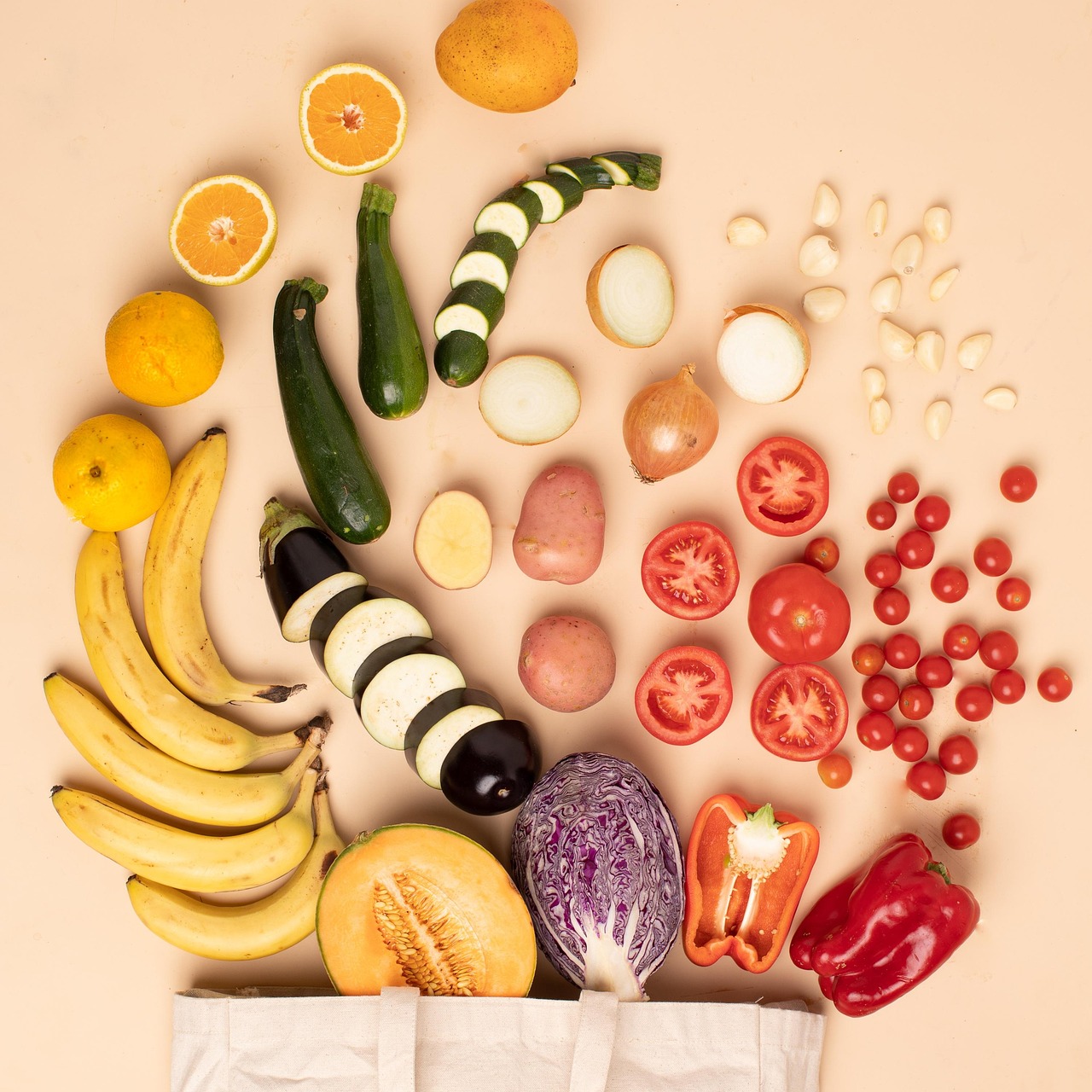
The answer is to include as broad a range of colourful fruit and vegetables as possible!
Carbohydrates supply essential energy, but try to choose wholegrains with fibre (eg oats, brown rice, buckwheat, quinoa), rather than refined white flours.

The challenges for parents
The question is, how do you get a ‘discerning’ eater to expand their repertoire? This can be especially tricky if your child has the ‘super-taster’ TAS2R38 gene variation, which means they are born with a greater ability to taste bitter substances and are more likely to avoid them.
Stress and anxiety can also drive appetites towards high-starch and sugary foods, and temporarily offer comfort. As toddlers struggle to develop a sense of autonomy (which extends to feeding themselves and choosing what goes on their plate), pressure from us as parents can cause them to dig their heels in and refuse to eat!
Top tips for developing healthy childhood eating habits
Here are 10 of my top tips to get children more engaged with their food and increase their intake of healthier food options:
- A simple hack to increase vegetable intake and variety is to take 10-15 vegetables, blend or chop them up small, and freeze them in cubes, using an ice tray. You can then start by adding just 1 cube per day to a soup, stew or sauce your child enjoys, gradually increasing the number of cubes over time.
- Ensure a balanced meal is on the plate at the start of the meal: protein, starchy carbohydrate (ideally wholegrains or potatoes, which contain fibre) and vegetables/fruit, along with a small amount of healthy fat (found in nuts, seeds, avocado, olive oil and oily fish, which also counts as protein!).
- Pin up a tick off checklist of different coloured fruit and vegetables on your fridge – set a weekly family challenge and build slowly.
- Get your child involved in choosing a recipe and then finding the ingredients at the shops –they could have their own mini trolley. This gives a sense of autonomy and control in making the dish, which may encourage them to try something out of their comfort zone!
- If you enjoy gardening, involve your child in food sourcing by growing your own vegetables or herbs. They always taste better from your own garden!
- Read stories together featuring positive messages about healthy foodse.g. Oliver’s vegetables
- Try new vegetables away from meals (this takes away emotion at mealtimes).
- Eat together as a family, with you as the parent leading by example. Don’t underestimate your influence as a positive role model in your child’s eating behaviour.
- Although this is very difficult to do as a parent, try to let your child’s appetite, rather than your desire to feed them, be the governing factor.
- Finally, don’t give up! Although young children are naturally neophobic, meaning they’re not big fans of unfamiliar foods at first, most do come around with plenty of calm, pressure-free exposure.3 It can take 8-15 tries to accept a new food!
Want to know more about raising healthy eaters?
If you would like further support in healthy eating for you and your family, relevant to your particular dietary choices, lifestyle and circumstances, Rhodes to Health offers a one-off diet MOT, which includes a 1-week family meal plan.
I also provide longer-term support packages for various chronic health conditions across all ages. You can find all the details of my services and how I can help on my website.


Head to the homepage to read the latest articles about parenting, wellbeing and adoption.